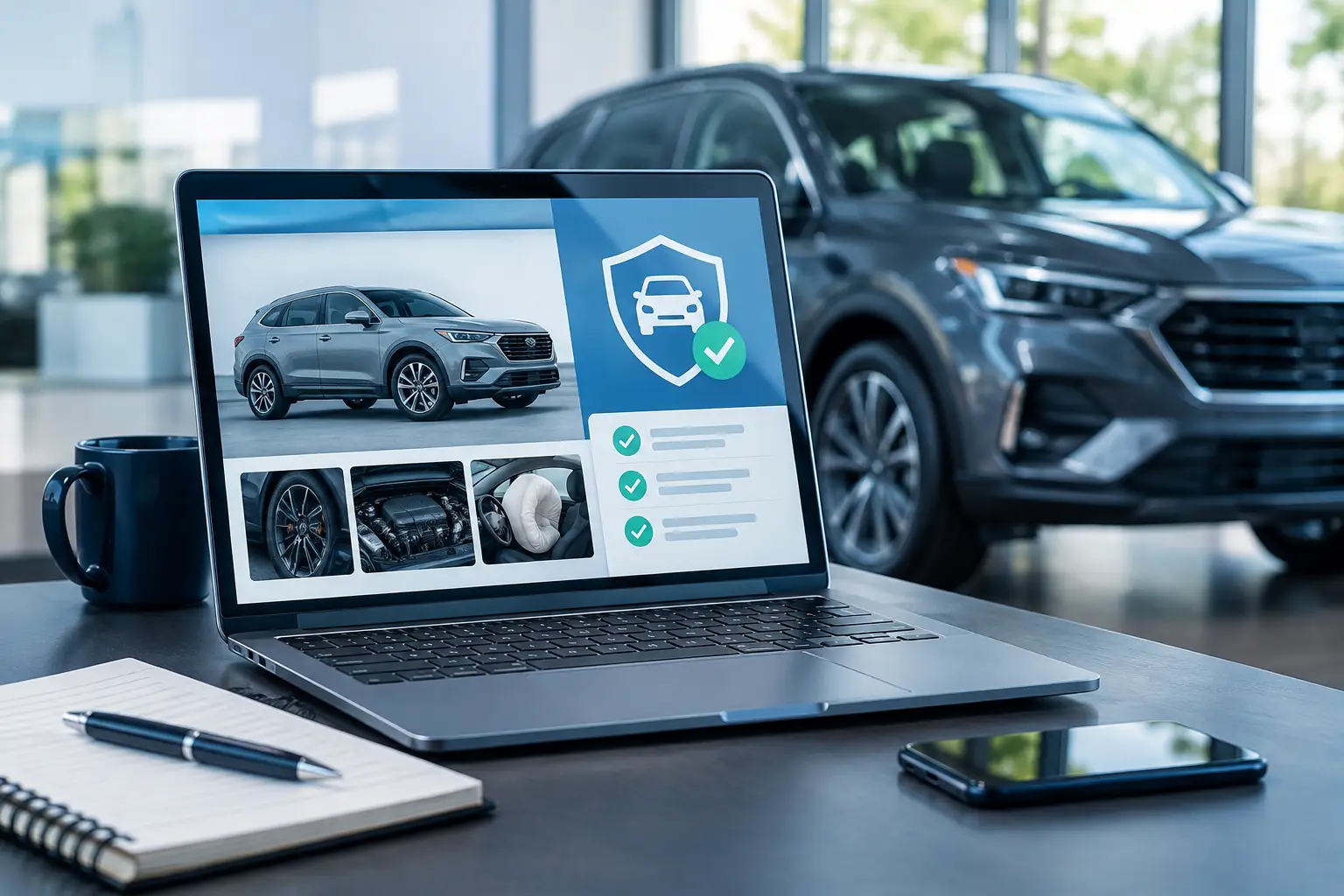
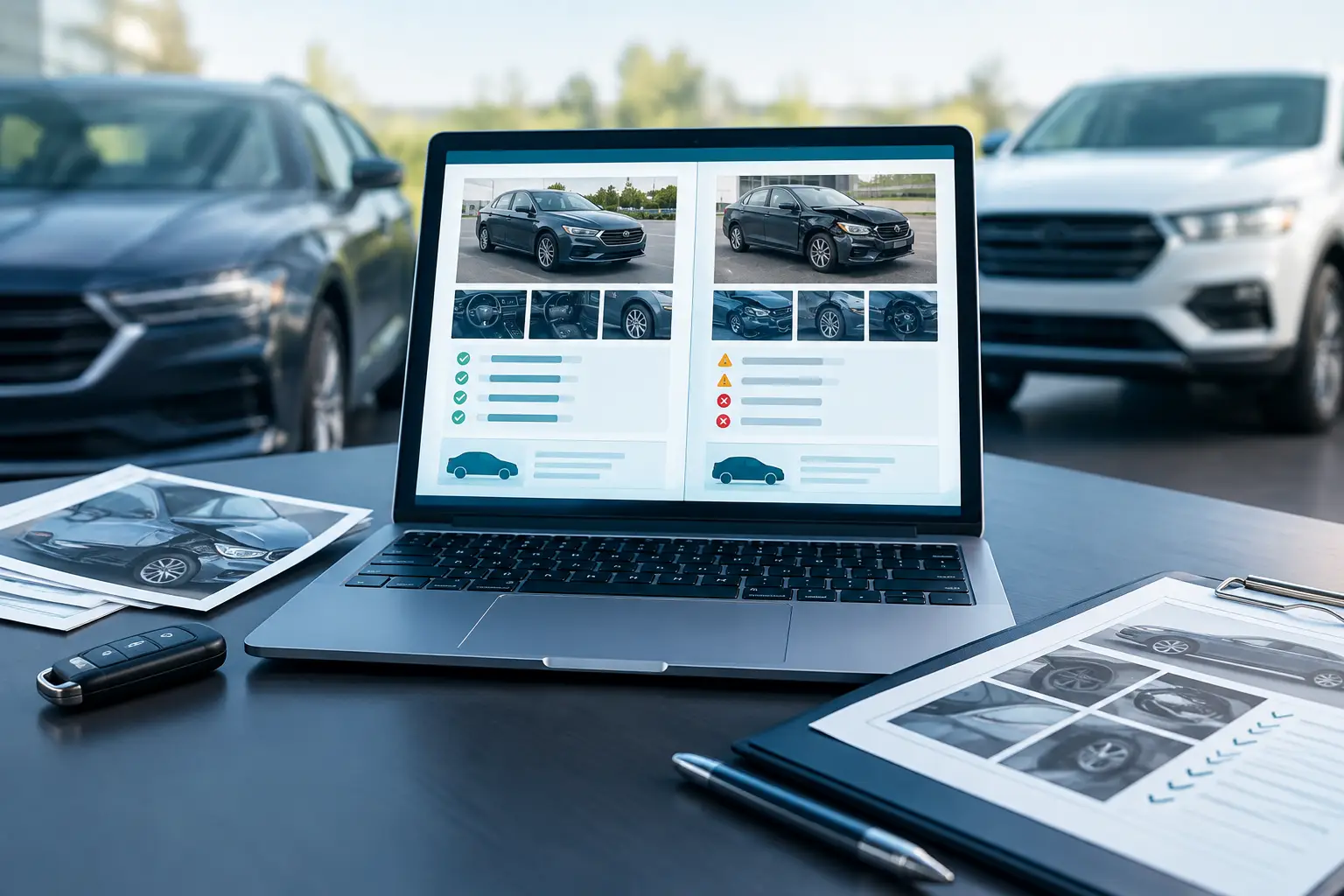
A clean-looking vehicle can still carry a costly history. One seller may describe a minor parking-lot incident; another may omit that the same type of damage involved airbag deployment, structural repairs, or a branded title. An accident report comparison puts those differences in view before you negotiate, transfer funds, or add a vehicle to inventory.
The goal is not to reject every vehicle with an accident record. Many repaired vehicles remain safe, reliable, and fairly priced. The goal is to separate documented, properly repaired damage from history that creates unanswered questions, reduced resale value, or a risk you cannot price confidently.
Why one accident record is rarely enough
An accident entry is a starting point, not a verdict. Reported events can vary in detail based on the source, the state where the event occurred, insurance involvement, repair records, and whether the incident was formally reported. A record stating “damage reported” does not explain the repair quality, the affected components, or the vehicle’s condition today.
That is why the comparison matters. Put each VIN through the same review process and look for the facts that change value and risk: event dates, damage locations, airbag status, title history, odometer consistency, number of owners, theft records, recalls, and market value. A vehicle with one documented rear bumper repair is not equivalent to one with multiple incidents, a salvage brand, and a gap between its recorded mileage and its current odometer.
For shoppers deciding between two similar vehicles, history often explains a price difference that the listing does not. For dealers and fleet teams, it helps prevent inconsistent decisions across a larger batch of inventory.
Accident report comparison: what to compare first
Start with severity, then verify the signals around it. A low-dollar damage report may be cosmetic, while a collision involving airbag deployment or structural damage deserves deeper inspection. Do not rely on repair cost alone. Labor rates, parts availability, vehicle age, and insurance decisions can make costs misleading.
Damage type and impact area
Look for the stated point of impact: front, rear, side, roof, undercarriage, or multiple areas. Front-end damage can affect cooling systems, sensors, suspension, and driver-assistance calibration. Side impacts may involve doors, pillars, curtain airbags, and seat-mounted safety equipment. Undercarriage damage can be especially difficult to assess from listing photos.
Multiple impact areas can indicate a more complex collision, a secondary impact, or separate incidents. That does not automatically make the vehicle a bad buy, but it raises the standard for documentation and inspection.
Airbag and structural indicators
Airbag deployment is a major decision point. Proper replacement requires more than installing a new airbag. Depending on the vehicle, the repair may involve sensors, control modules, seat belts, trim, windshield components, and calibration work. Ask for itemized repair invoices and have a qualified technician inspect the vehicle before purchase.
Structural or frame damage deserves the same scrutiny. Modern unibody vehicles can be safely repaired when work is performed to manufacturer specifications, but poor repairs can affect alignment, tire wear, crash protection, and resale. A history report cannot certify repair quality. It can tell you when the vehicle warrants a closer look.
Title status and title brands
An accident record should never be reviewed apart from title history. Salvage, rebuilt, junk, flood, lemon, and other title brands change both risk and market value. A rebuilt vehicle may be legal to drive and insurable, but the buyer should expect a discount, more limited resale demand, and potential financing or insurance complications.
A clean title is useful, but it is not proof that a vehicle has never been damaged. Conversely, a branded title is a clear signal that the vehicle crossed a reporting or damage threshold. Compare like with like. A clean-title vehicle and a rebuilt-title vehicle should not be valued as direct equals simply because they share the same year, trim, mileage, and color.
Timeline, mileage, and ownership pattern
Place the accident date against the ownership and mileage timeline. An incident that occurred years ago followed by consistent service and normal mileage may be easier to evaluate than recent damage with little documentation. A sudden mileage inconsistency, title transfer immediately after an accident, or repeated short ownership periods can justify more questions.
Timing also affects value. A recent collision may leave unanswered questions about repair quality or remaining warranty coverage. An older incident may matter less if the vehicle has since accumulated trouble-free miles, passed inspections, and retained consistent records. Context decides the weight of the event.
Turn the report into a purchase decision
A report identifies what to investigate. The next step is matching the history to the vehicle in front of you.
First, inspect the vehicle in daylight. Look for uneven panel gaps, paint overspray, mismatched paint texture, inconsistent fasteners, moisture in lights, tire wear, and warning lights. On vehicles with advanced driver-assistance systems, confirm that cameras, radar, and sensors function correctly. A test drive should include straight-line tracking, braking, steering response, and a check for vibration or unusual noise.
Then ask the seller direct questions. What was repaired? Which shop performed the work? Are invoices, photos, alignment reports, or calibration records available? A credible seller should not be offended by reasonable documentation requests. Missing paperwork is not automatic proof of a poor repair, but it should affect your confidence and your offer.
Finally, use an independent pre-purchase inspection when the history shows meaningful damage, airbag involvement, title concerns, or conflicting details. The inspection cost is small compared with buying a vehicle that needs suspension work, sensor calibration, or corrective body repairs after the sale.
Compare value, not just vehicle history
Accident history should be reflected in price. The right discount depends on severity, title status, repair documentation, local demand, vehicle type, and the buyer’s intended use. A clean-title commuter with a documented minor incident may still be a sensible buy at a modest discount. A luxury vehicle with complex collision repairs can create expensive future issues even when the visible repair looks excellent.
Avoid a simple rule such as “any accident means 20% off.” Market impact is not that uniform. Instead, compare the vehicle against similar clean-history examples, then account for the specific record, inspection findings, and likely resale friction. If the savings do not clearly outweigh the uncertainty, move on.
For dealers, this is where a consistent workflow protects margin. Standardize your acquisition review so every VIN receives the same history check, title review, valuation comparison, and inspection threshold. That makes it easier to defend buying decisions and explain vehicle condition to retail customers.
Use a side-by-side review when choices multiply
Reviewing disconnected reports one at a time makes patterns easy to miss. A side-by-side dashboard is more useful when you are weighing several auction vehicles, comparing similar listings, or managing incoming inventory. Sort for title status, accident count, ownership history, odometer flags, and score-based risk signals before spending time on the vehicles that deserve a deeper review.
DriveEvidence is built for that workflow, combining VIN-based records with a 0-100 DriveEvidence Score to make relative risk easier to see across multiple vehicles. The score should support judgment, not replace it. A lower-risk score does not eliminate the need for an inspection, and a higher-risk score does not automatically rule out a vehicle with strong repair documentation and the right price.
The best used-vehicle decisions are not based on a single green flag or red flag. They come from matching the report, the physical inspection, the documentation, and the price. If those pieces do not tell the same story, let the vehicle go. There will be another VIN to evaluate.