
A vehicle can look clean, drive smoothly, and still carry water damage that changes the ownership math. Flood vehicles are often moved quickly through auctions, private listings, and even dealer inventory after storms. The visible cleanup may be convincing. The hidden corrosion, compromised electronics, mold, and title history are what buyers need to find before money changes hands.
For consumers, a flood-damaged vehicle can become an expensive repair cycle. For dealers and fleet managers, one missed unit can create recon costs, reputation damage, and a difficult resale conversation. The right approach is not to rely on one clue. Verify the vehicle's history, inspect its vulnerable areas, and price its risk honestly.
What Makes Flood Vehicles So Risky?
Water does not have to reach the roof to create serious problems. A vehicle that sat in standing water may have damage to wiring connectors, sensors, seat hardware, airbags, carpeting, wheel bearings, brake components, and control modules. Saltwater exposure is especially concerning because corrosion can continue long after the vehicle has been dried and detailed.
The difficult part is timing. Some flood damage appears immediately through warning lights, odors, or electrical failures. Other issues emerge months later, after moisture trapped in connectors or under insulation begins to corrode components. That delay is why a short test drive is not enough evidence.
A repaired flood vehicle is not automatically unusable. It depends on the depth and type of water exposure, the quality of repairs, the records available, and the buyer's intended use. But the burden of proof should be much higher than it is for an ordinary used vehicle.
Start With the VIN and Title Record
A VIN history report is the fastest first screen because it can reveal information that a seller may not volunteer. Look for title brands such as flood, water damage, salvage, rebuilt, or junk. Also review insurance loss records, auction announcements, prior damage events, ownership history, odometer readings, theft or recovery records, and changes in registration location.
A clean title does not always end the investigation. Title-brand rules vary by state, and reporting can take time. A vehicle may have been moved across state lines, repaired before a title event appears, or sold after a weather disaster before all records fully catch up. That is why title status should be evaluated alongside the broader timeline.
Pay close attention to location changes. A vehicle registered or sold near a major hurricane, river flood, or coastal storm shortly before entering the used market deserves added scrutiny. Location alone does not prove flood damage, but it gives a buyer a valid reason to inspect more deeply.
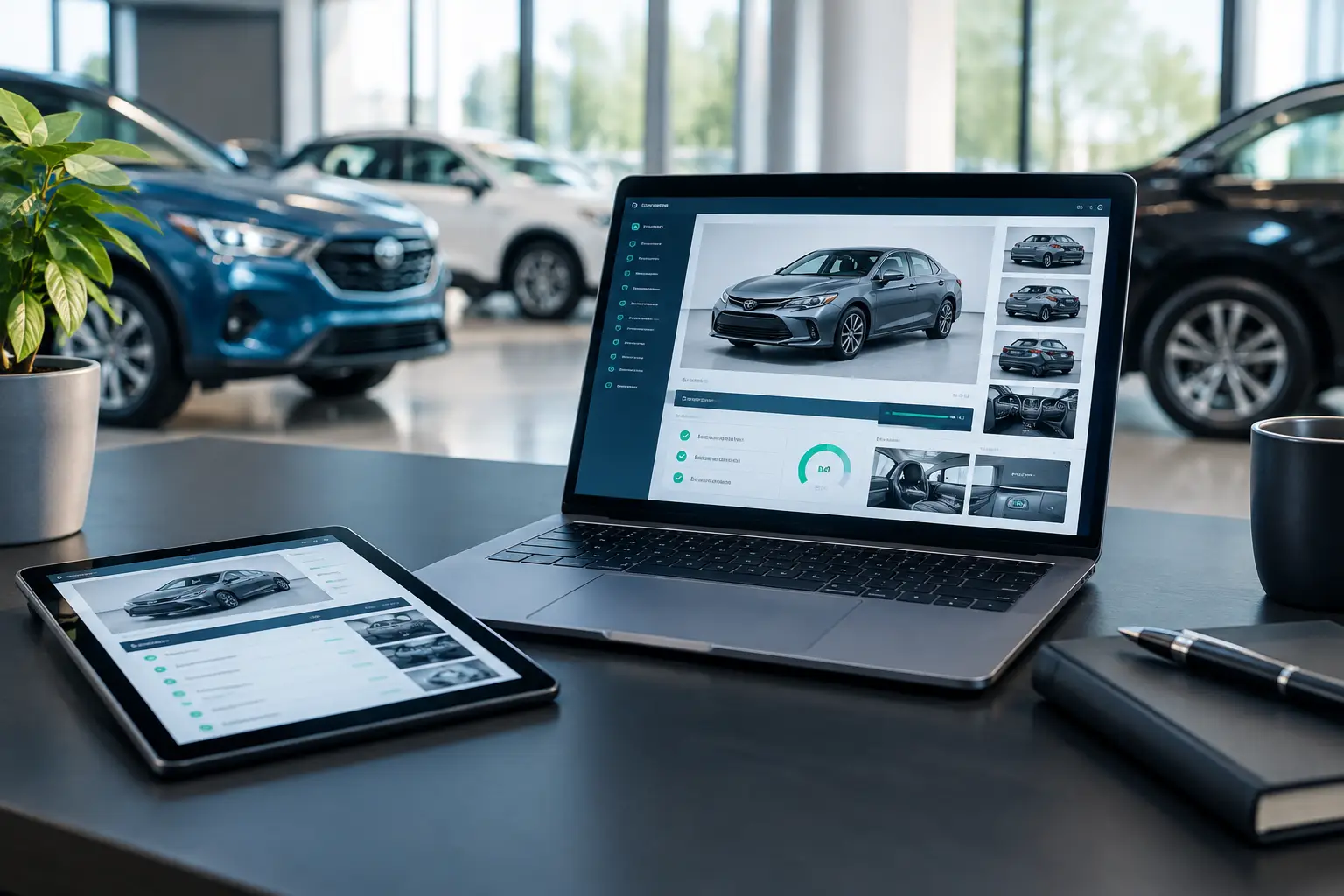
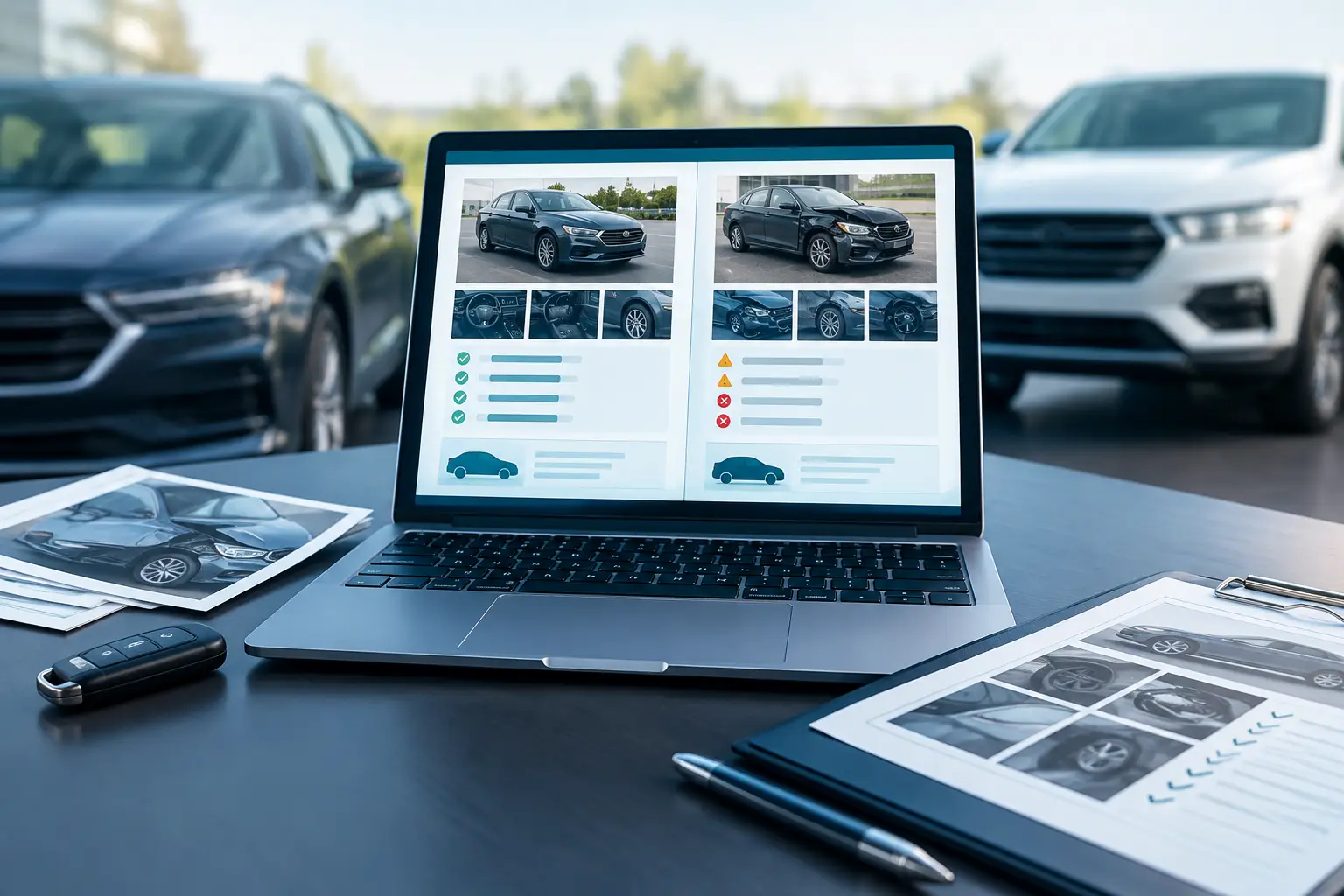
DriveEvidence is built for this kind of decision: use the VIN record to identify title brands and damage indicators, then compare the vehicle against other options in one dashboard instead of treating each report as an isolated decision.
Read the Timeline, Not Just the Headline
A history report is most useful when you follow the sequence of events. For example, an insurance loss, an auction listing, a title update, and a sudden out-of-state sale may tell a clearer story together than any single record. A low price after that sequence is not necessarily a bargain. It may be the market accounting for risk that the listing description barely mentions.
Also verify whether the odometer pattern makes sense. Flood repairs can involve long periods off the road, title transfers, and resale activity that create unusual gaps. An odometer inconsistency is separate from water damage, but either issue should lower your confidence in the transaction.
Inspect the Places Cleanup Misses
Detailing can remove a visible water line and replace stained carpet. It cannot easily erase corrosion in concealed areas. A pre-purchase inspection by a qualified technician is the best next step when a vehicle has possible water exposure or incomplete history.
During your own walkaround, check under the seats and along seat tracks for rust, silt, or crusty residue. Inspect seat belt webbing for staining and pull the belts all the way out, where water marks may be hidden. Look beneath floor mats and in the trunk, including the spare tire well, for dampness, mud, corrosion, or a strong deodorizer smell.
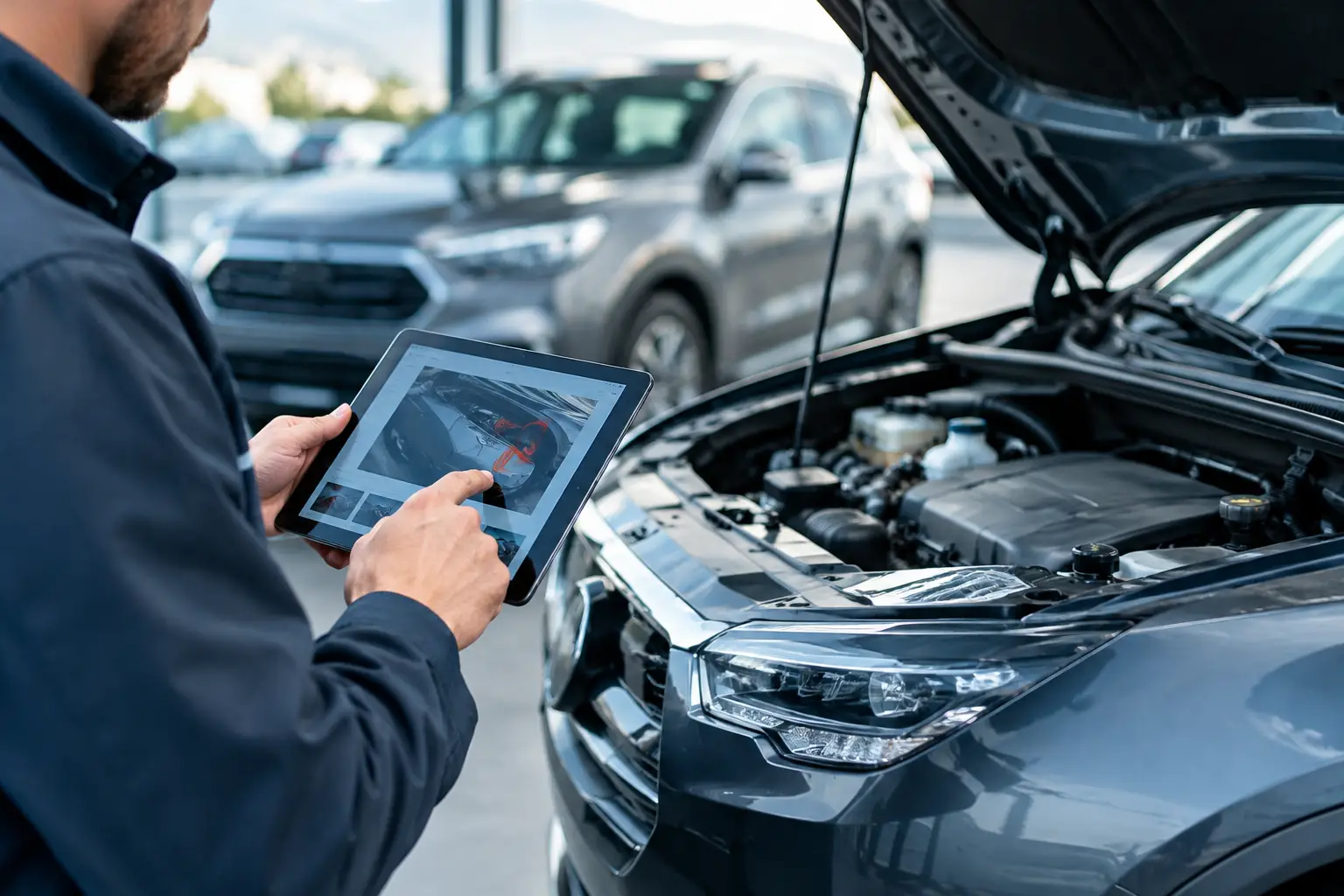
Open the hood and examine electrical connectors, fuse boxes, brackets, and fasteners. New-looking hardware in one isolated area is not proof of a problem, but mismatched corrosion patterns can be revealing. Check door jambs, under-dash areas, and the lower edges of interior panels. Dirt or sediment in places that are hard to clean deserves an explanation.
A musty odor matters, but do not depend on smell alone. Sellers can use ozone treatments, fragrances, and new upholstery to mask it. Likewise, brand-new carpet in an otherwise worn vehicle may be a legitimate refresh or a sign that damaged material was removed. The point is to ask why and verify the answer.
Test Electronics Beyond the Basics
Modern vehicles rely on dozens of modules and sensors. Water intrusion can turn a simple electrical fault into a costly diagnostic process. During the inspection and test drive, operate every system you reasonably can: windows, locks, mirrors, seats, climate controls, infotainment, cameras, parking sensors, charging ports, interior lights, steering-wheel controls, and advanced driver-assistance features.
Watch the instrument panel at startup. Warning lights should illuminate briefly, then turn off as expected. A light that stays on is obvious. More subtle concerns include intermittent displays, slow power accessories, random warning messages, weak blower motors, or a backup camera that cuts in and out.
Ask the technician to scan for diagnostic trouble codes, including stored and pending codes. Clearing codes before a sale can temporarily hide a fault, so a clean dashboard is not a guarantee. If the seller refuses an independent inspection or discourages a scan, treat that as a transaction-level red flag.
Price the Risk Instead of Chasing the Discount
The asking price for a possible flood vehicle should not be compared only with a clean-history version of the same make and model. Buyers must account for reduced resale value, harder financing, possible insurance limitations, uncertain reliability, and repair costs that may be difficult to predict.
A discount can look dramatic until one electronic control module, wiring harness, or mold remediation bill absorbs it. Flood-branded and salvage vehicles may also have fewer future buyers, which matters if you plan to sell or trade the vehicle later. For a dealer, that can mean longer days to turn and a narrower retail audience.
There are cases where the numbers may work. A buyer with repair expertise might consider a thoroughly documented vehicle with limited freshwater exposure, verified repairs, a successful inspection, and a price that reflects its branded status. That is a specialized purchase, not a standard used-car decision. For a daily driver, family vehicle, or fleet unit where uptime matters, walking away is often the lower-cost choice.
Questions to Ask Before You Commit
Ask the seller directly whether the vehicle has ever been exposed to floodwater, declared a total loss, or repaired after water damage. Request repair invoices, photographs from before and during repairs, title documentation, and the name of the shop that performed the work. Specific, consistent answers and complete records are more useful than broad assurances that the vehicle is "in great shape."
Then compare those answers against the VIN timeline and inspection findings. If the paperwork is incomplete, the explanation changes, or the seller pressures you to skip verification, do not negotiate against your own evidence. There will be another vehicle.
For auction buyers and inventory teams, make flood screening a repeatable intake step rather than an exception. Flag title brands, storm-region movement, suspicious damage timelines, and electrical inspection needs before bidding or assigning recon dollars. Standardized review protects margins and prevents a fast purchase from becoming a slow, expensive problem.
The best used-vehicle purchase is not the one with the lowest sticker price. It is the one whose history, condition, and price tell the same story. When they do not, keep the proof in front of you and let the vehicle go.