A clean-looking used car can still carry a title problem that changes its value, financing options, insurability, and resale potential. Title check tools give buyers, dealers, and fleet teams a faster way to verify what the seller may not mention before money changes hands.
A title is more than proof of ownership. It can contain critical signals about a vehicle's past, including severe damage, salvage history, flood exposure, theft recovery, mileage discrepancies, or a prior designation that makes the vehicle harder to finance or register. The goal is not simply to see whether a title exists. It is to understand what that title means for the deal in front of you.
What Title Check Tools Actually Verify
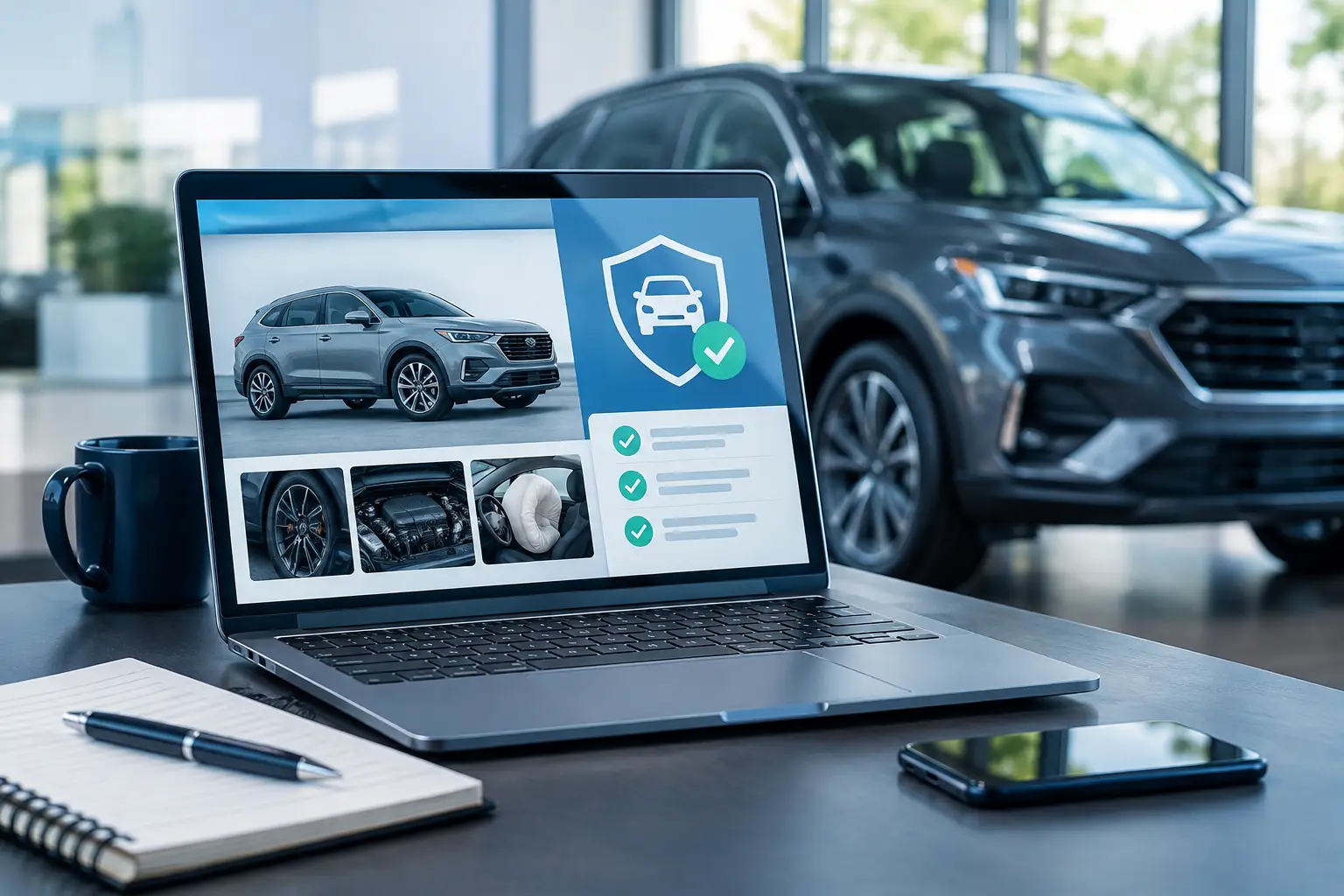
Title check tools use a vehicle identification number, or VIN, to search available records connected to the vehicle's title and history. Results vary by provider and data availability, but a meaningful check should help identify title brands, theft records, odometer issues, ownership events, and other risk factors that deserve a closer look.
A title brand is a label applied by a state motor vehicle agency when a vehicle has a material history event. Common examples include salvage, rebuilt, flood, junk, lemon, and prior police or taxi use. States do not always use the same terminology, and reporting practices can differ. That is why a generic statement such as "clean title" should never end the conversation.
A clean title generally means the current title document does not carry a brand. It does not guarantee the vehicle has never been damaged, repaired, stolen, or involved in a serious incident. An accident may not result in a title brand, and a title can be moved between states over time. Treat the title result as one piece of evidence, then compare it with accident history, service records, photos, inspection findings, and the seller's explanation.
Why a Title Check Matters Before You Negotiate
Title history affects the vehicle's real value. A rebuilt title vehicle may be priced thousands below an equivalent clean-title model for a reason. It may be a reasonable purchase for the right buyer if repairs are documented, an independent inspection checks out, and the discount reflects the added risk. It is not automatically a bad vehicle. But it is never a vehicle to price as if it had no history.
For retail buyers, the biggest risk is paying clean-title money for a vehicle with a problem that appears after the sale. That can mean a lender declines financing, an insurer limits coverage, a manufacturer warranty does not apply as expected, or a future buyer walks away when they run the VIN.
For dealers and auction buyers, title verification protects margin and reputation. One missed flood brand or unresolved theft record can turn a promising unit into a costly unwind. Fleet teams face another layer of risk: title issues can delay registration, interrupt deployment, and complicate disposal at the end of the vehicle's service life.
The practical question is not only, "Can I buy this vehicle?" It is, "Can I document its history, price its risk correctly, and sell or operate it without surprises?"
How to Use Title Check Tools the Right Way
Start with the VIN from the vehicle itself whenever possible. Compare the VIN on the dashboard, driver's door label, registration, title document, and listing. A mismatch can be a clerical error, but it can also be a warning sign of VIN tampering, a swapped vehicle, or a dishonest listing.
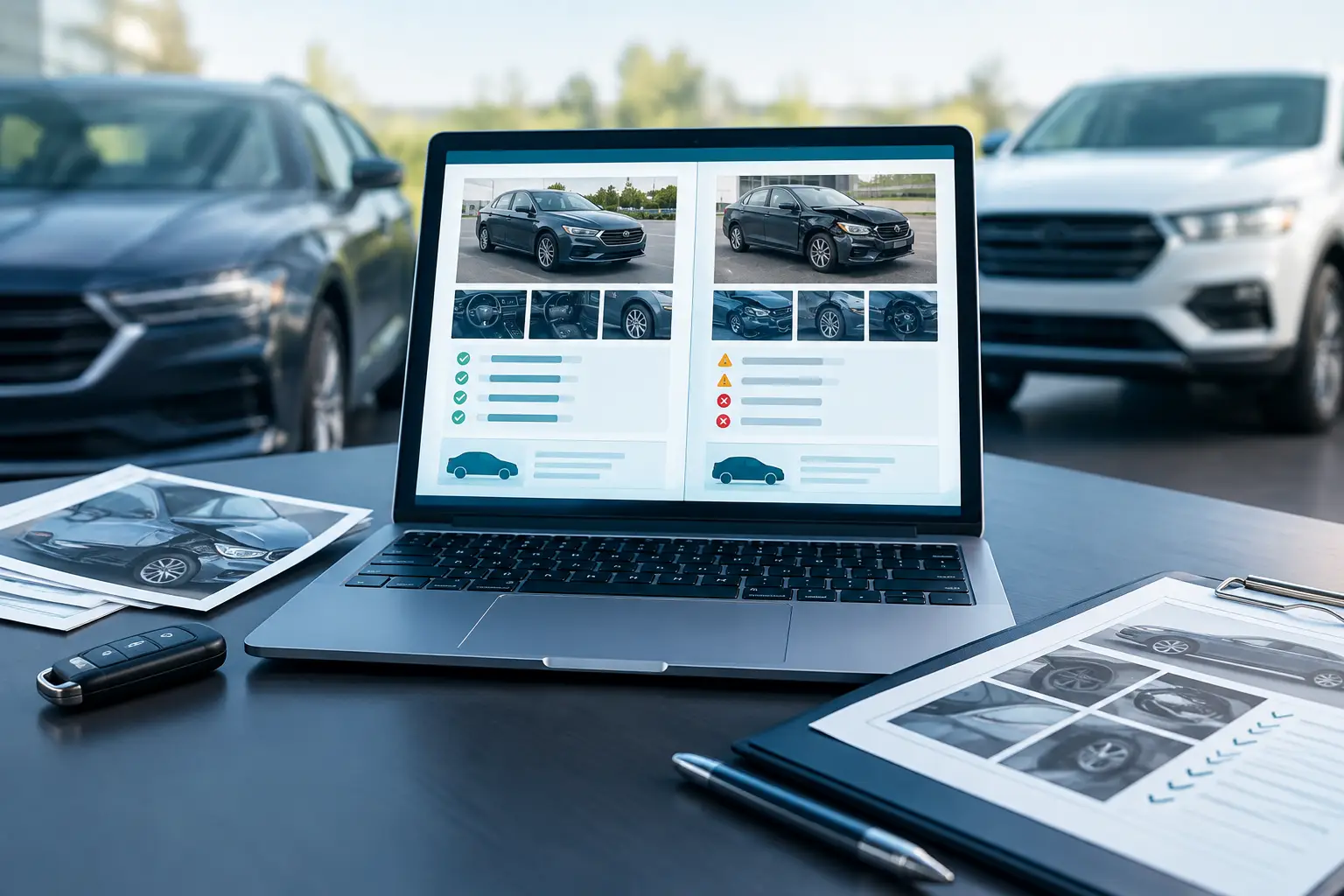
Run the check before making an offer or placing a nonrefundable deposit. If you are shopping several vehicles, do not review reports in isolation and rely on memory. Save the candidates, compare title results beside accident events, odometer readings, recall status, and estimated market value, then sort out the highest-risk options first.
When a title brand appears, pause the transaction long enough to answer three questions. What happened to the vehicle? Was it repaired correctly? Does the asking price account for the restriction and future resale impact? A seller who has repair invoices, pre-repair photos, alignment records, and a recent independent inspection makes it easier to evaluate the answer. A seller who says, "It is only paperwork," is giving you a reason to verify more.
Do not confuse a title check with a mechanical inspection. A report can reveal that a vehicle was rebuilt, but it cannot confirm that the airbags deploy correctly, the frame is straight, or a repair shop used proper parts. For any branded or high-dollar vehicle, pair the records review with an inspection by a qualified technician who has no stake in the sale.
Red Flags That Deserve Immediate Follow-Up
Some results should move a vehicle from routine review to active investigation. A salvage or junk designation, flood history, theft recovery, or odometer inconsistency all warrant more documentation before you proceed. So do large gaps in history, a recent title issue after years of ordinary records, or a seller whose story conflicts with the report.
Pay close attention to title washing concerns. Title washing is the attempt to obscure a vehicle's branded history, often by moving it through jurisdictions with different branding or documentation practices. A comprehensive history review can help expose conflicting records, but no tool should be presented as infallible. Data may be delayed, incomplete, or unavailable for a particular event.
Liens require a separate level of care. A report may show recorded lien information, but the safest path is to verify that the lien has been released before completing a private-party transaction. If the seller still owes money on the vehicle, work with the lender and confirm the payoff process. Do not assume a signed title alone clears every obligation.
Free Results vs. a Full Vehicle History Report
Free VIN lookups can be useful for early screening. They may help confirm basic specifications, recall information, and whether the VIN decodes to the vehicle being advertised. That is valuable when you are filtering a large group of listings.
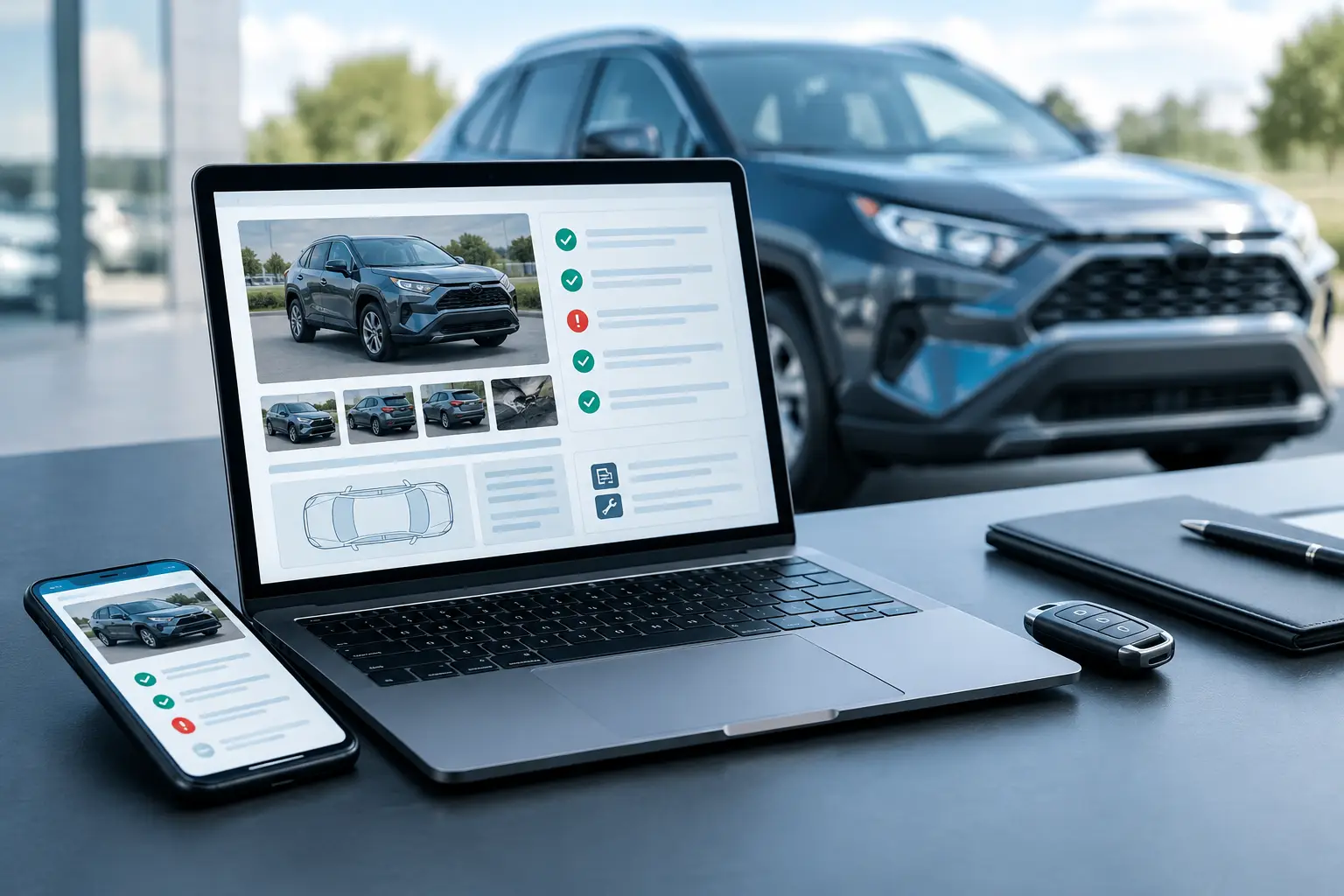
But basic information is not enough when you are preparing to buy, bid, stock, or finance a vehicle. A full report provides the context needed to assess risk: title brands alongside accident and damage history, theft records, ownership changes, odometer readings, valuation data, and open recalls. The value comes from seeing whether separate data points tell one consistent story.
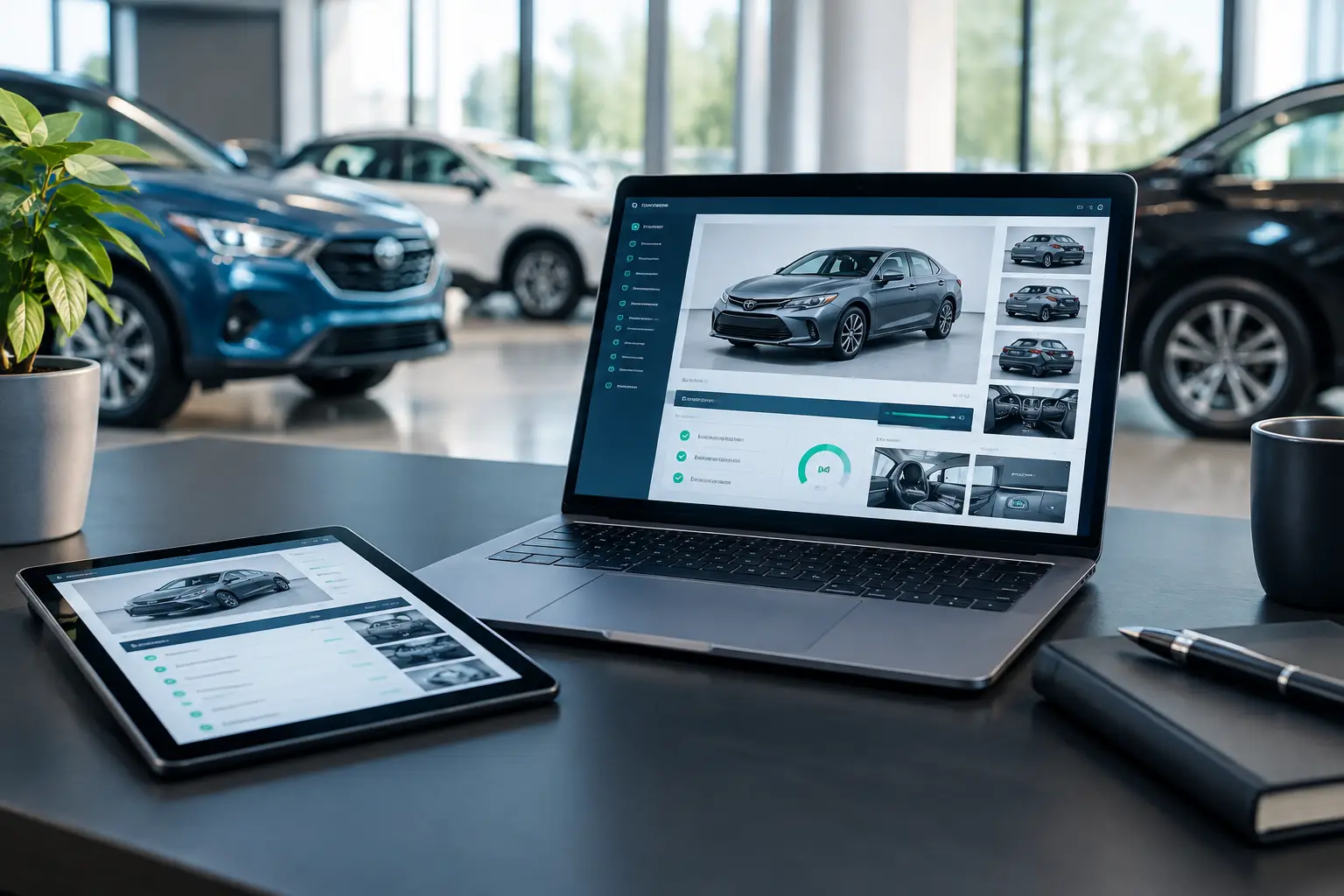
That distinction matters for professionals processing volume. A dealer evaluating ten auction units needs a workflow that surfaces the highest-risk VINs quickly, not ten disconnected documents that must be reviewed from scratch. DriveEvidence combines vehicle history data in a dashboard built to save, compare, sort, and export multiple vehicles, with a DriveEvidence Score that turns complex history signals into a clear 0-100 risk indicator.
What a Smart Buying Decision Looks Like
A strong decision does not depend on one green checkmark. It comes from matching the title result to the vehicle's condition, price, intended use, and your tolerance for risk. A branded vehicle with documented repairs and a meaningful discount may fit an experienced buyer. The same vehicle may be the wrong choice for someone who needs easy financing, broad insurance options, and maximum resale value.
Use title check tools early, not as a last-minute formality. Verify the VIN, review title status before negotiating, investigate every conflict, and keep the evidence with your purchase file. The vehicle may still be worth buying, but you should know the truth before you own the risk.
The best deal is not the vehicle with the lowest asking price. It is the one whose history, condition, and price all hold up when the proof is on the table.